
This week, our school has been proud to take part in Neurodiversity Celebration Week - a meaningful opportunity for pupils to explore the many different ways people think, learn and experience the world. Across the school, children have taken part in thoughtful discussions and activities designed to build understanding, empathy and respect for neurodiversity within our community.
A major focus of the week was the social model of disability, which encourages pupils to view barriers not as something within a person, but often within the environment around them. This idea came to life through hands‑on activities that helped children understand how small adjustments can make a big difference. As one Year 3 pupil reflected:
“I liked the stairs activity because it made me realise it’s not the person’s fault if they can’t get somewhere. It’s the building. Before, I thought people just needed help, but now I think we should change things so they don’t need help in the first place.”
Children worked in groups to think creatively about real barriers people may face and the solutions that could remove them. This led to rich collaboration, as pupils discovered how differently their peers might experience the same environment. One pupil noted:
“The scenarios were interesting because we had to think of solutions instead of just saying what the problem was. My group talked about the noisy lunch hall and we said there could be a quiet area. It made me think school is not the same for everyone.”
These insights helped many pupils recognise that fairness does not always mean sameness. As another child observed:
“I found it a bit surprising that something like sitting still can be a barrier. I never thought about that before. It made me understand that fairness is not giving everyone the same rules.”
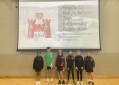
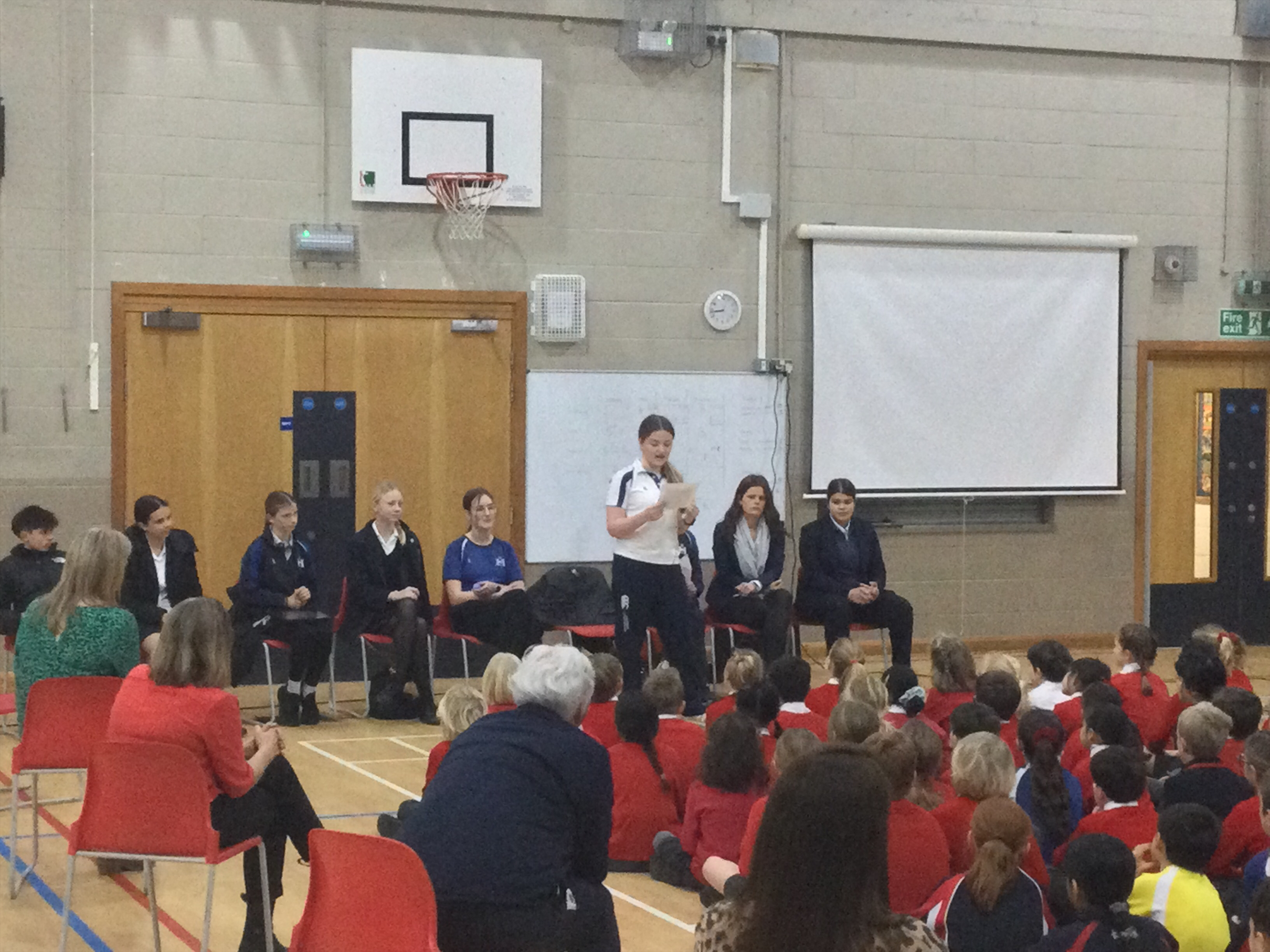
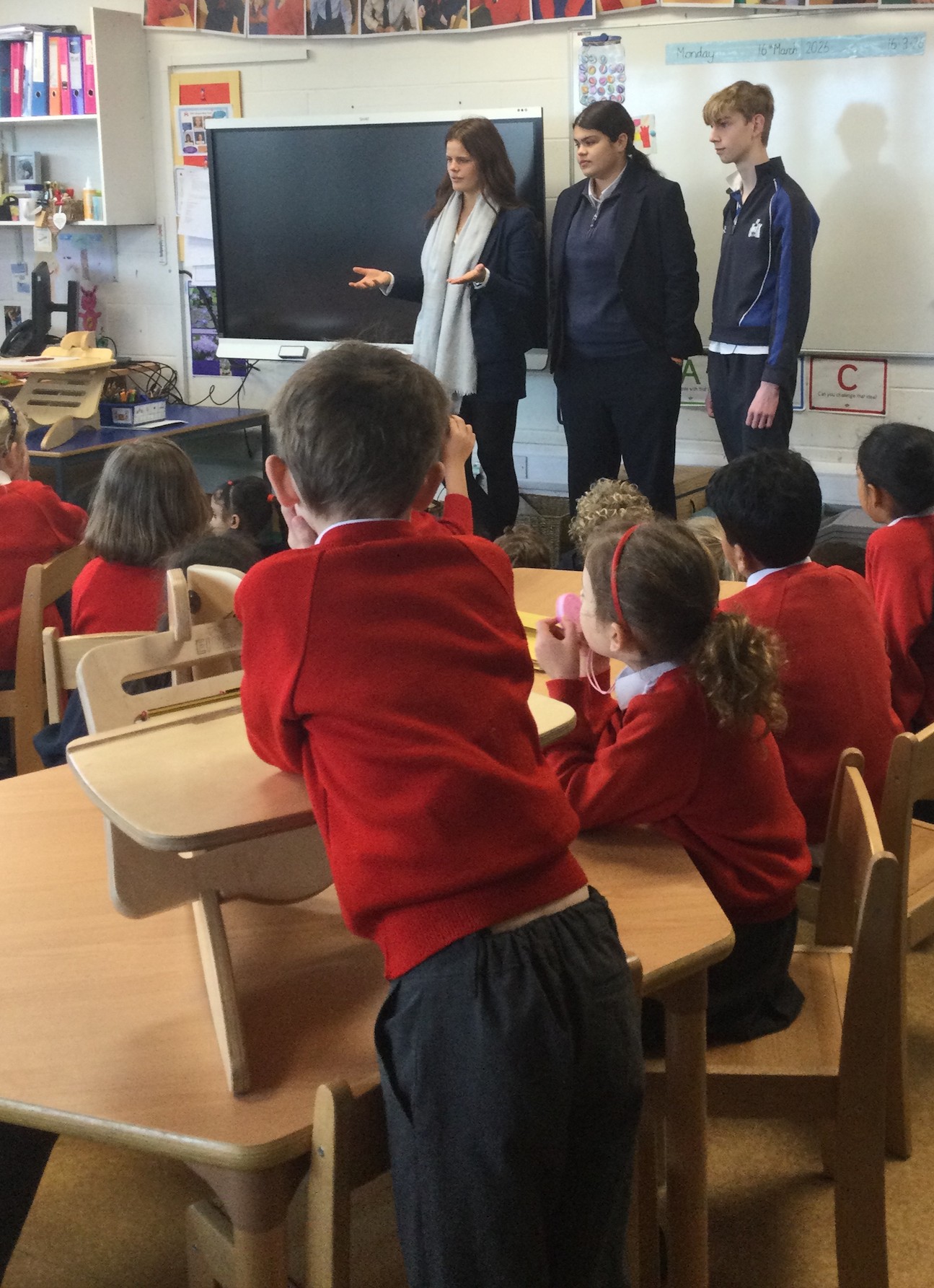 We were also delighted to welcome pupils from RGS, who generously shared their own experiences of being neurodivergent. Their openness was both inspiring and informative, helping our pupils to deepen their real‑world understanding of neurodiversity. Our children listened with maturity, curiosity and respect—qualities acknowledged throughout the week. One Year 3 pupil summed it up powerfully:
“This lesson made me think more about other people. I realised that things I find easy might be really hard for someone else because of the environment.”
These conversations sparked meaningful reflections across the school, including thoughtful ideas about how to create more inclusive learning spaces. Year 3 in particular explored how design can include—or exclude—different learners:
“My favourite part was thinking about how to design a school. I realised everyone in my group had different ideas… It showed that one design doesn’t work for everyone.”
Practical suggestions flowed easily from these activities, demonstrating growing awareness of how inclusion can be strengthened. Pupils spoke about offering quiet areas, providing more thinking time or giving different options for how work is completed:
“I learned that inclusion means changing things so everyone can join in. Not making people fit in. I think our school could add more choices, like different ways to answer questions.”
In 4W, discussions centred around how attitudes toward neurodiversity have changed over generations. Pupils shared the hopeful idea that their generation might be the first to truly accept everyone - and that this could be achieved through education, empathy and speaking up for others.
As the week drew to a close, one final sentiment echoed strongly:
“I think a fair classroom is one where everyone can learn in their own way. Not everyone doing the exact same thing at the same time.”
We are incredibly proud of the empathy, openness and enthusiasm our pupils have shown throughout Neurodiversity Celebration Week. Their reflections remind us how important it is to continue building a school environment where every child feels understood, valued and able to thrive. We look forward to continuing this learning journey together as a community that celebrates every mind.