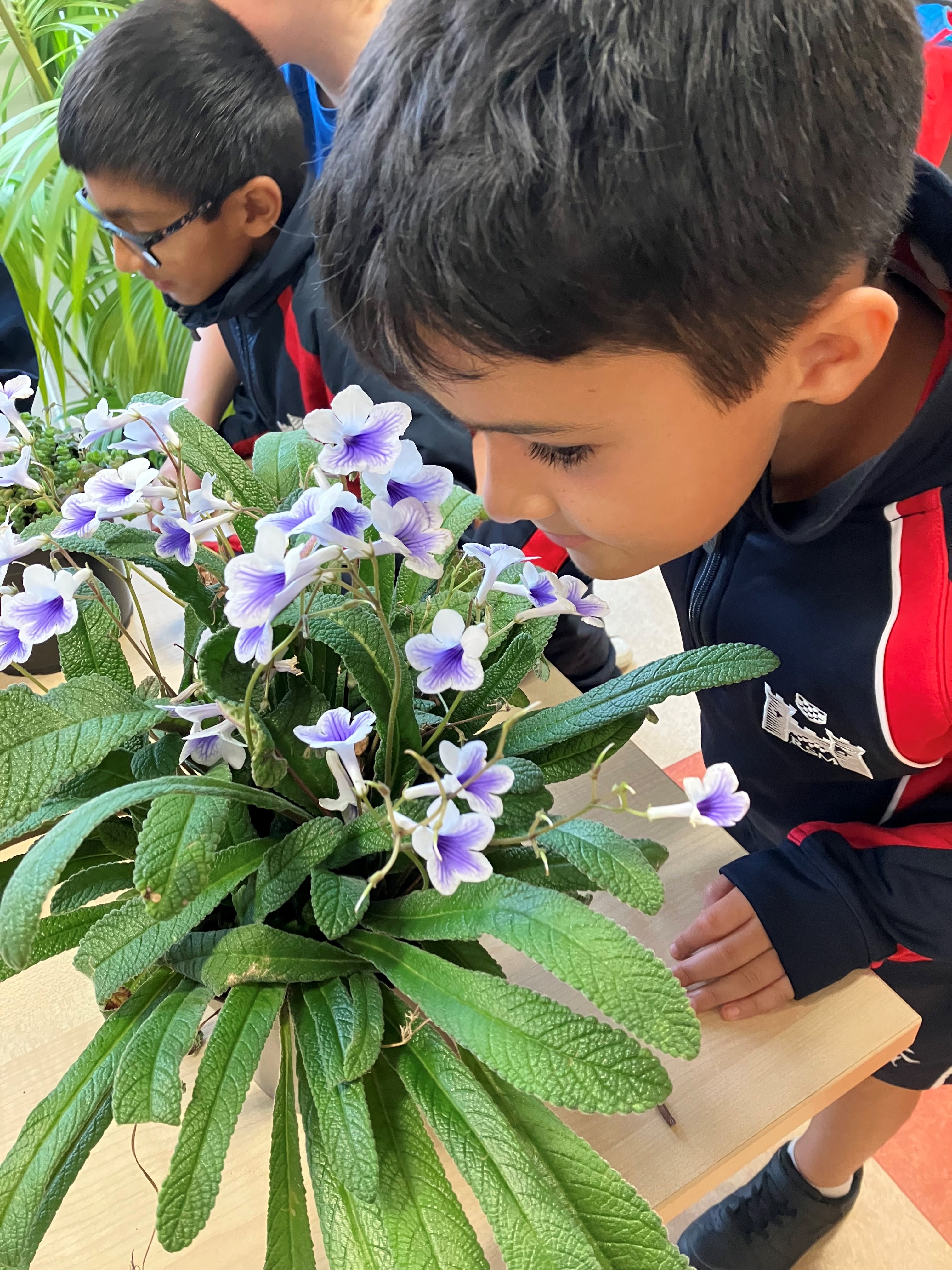

This half term, Year 4 have been diving deep into the world of trees, plants and woodland life as part of their Into the Woods Combined Humanities topic. Through outdoor exploration, creative projects, and scientific enquiry, the children have been discovering just how important trees are to our planet, and the many ways they support both people and wildlife. From investigating the textures of bark to estimating the height and age of trees, it has been a term filled with curiosity, collaboration, and discovery.
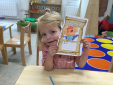
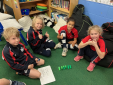
The topic began with outdoor exploration around the school grounds. Using wax crayons and paper, the children created detailed bark and leaf rubbings, carefully comparing the patterns, shapes and textures they revealed. These observations sparked discussions about how trees change throughout the year, as pupils explored the four seasons and considered how weather, temperature and daylight affect plants and animals alike.
Building on this, Year 4 learnt to recognise the difference between deciduous and evergreen trees, identifying examples within the local environment and discovering how their leaves are adapted to different conditions. The children then broadened their view of the natural world by exploring biomes — discovering that forests across the globe look very different depending on their climate. Using fact cards, pupils compared tropical rainforests, temperate woodlands and boreal forests, thinking carefully about why certain plants and animals thrive in each environment.
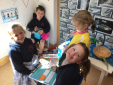
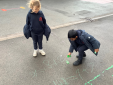
In later weeks, the focus turned to why trees matter. The children identified how trees help us breathe, protect against flooding, provide food and shelter, and play a vital role in tackling climate change. They also put their mathematical skills to the test by measuring the height and age of trees in the school grounds, learning how to estimate sensibly and think like scientists. Their enthusiasm was clear to see as they worked together, tape measures and clipboards in hand, sharing ideas and checking results.
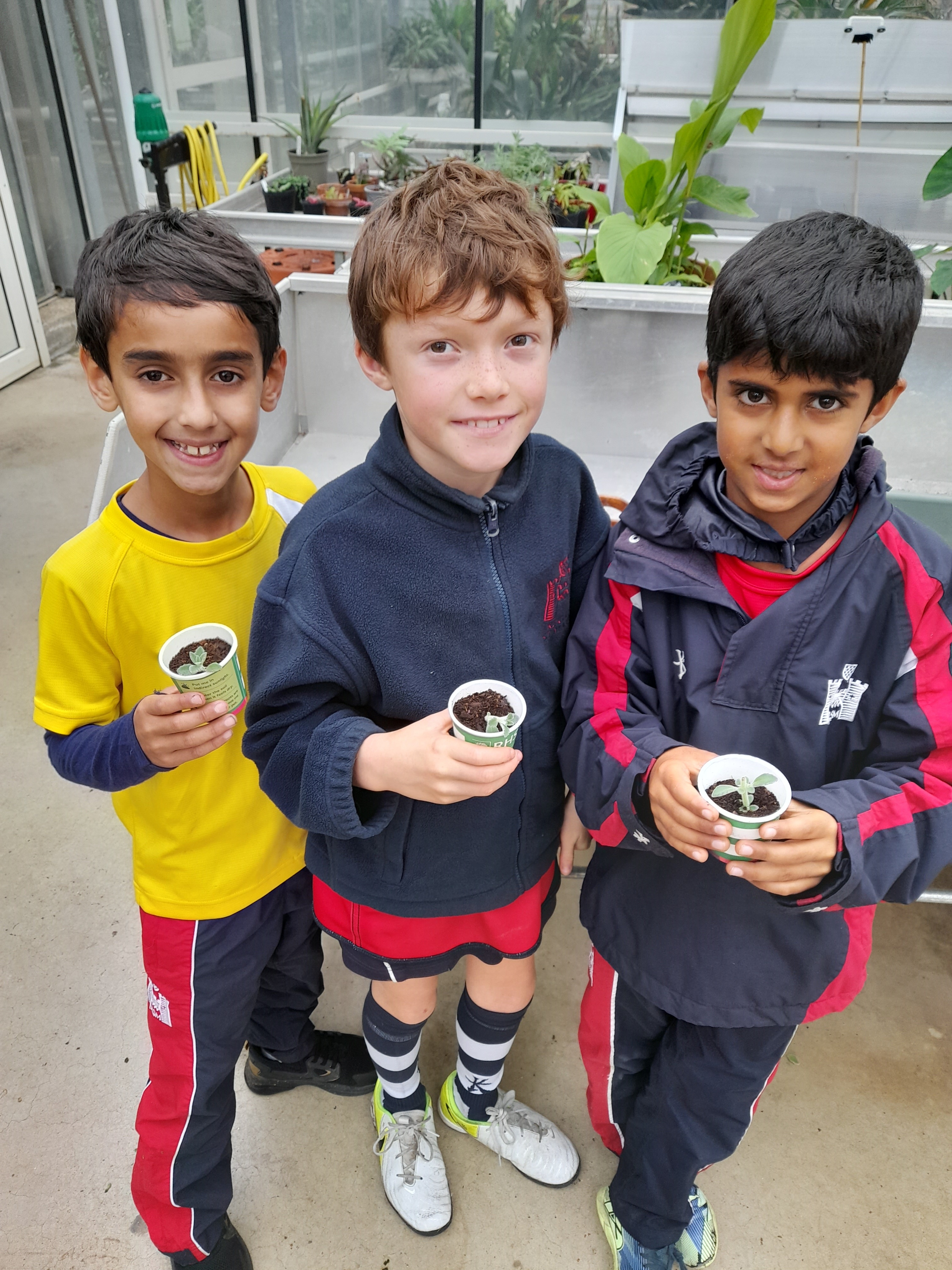
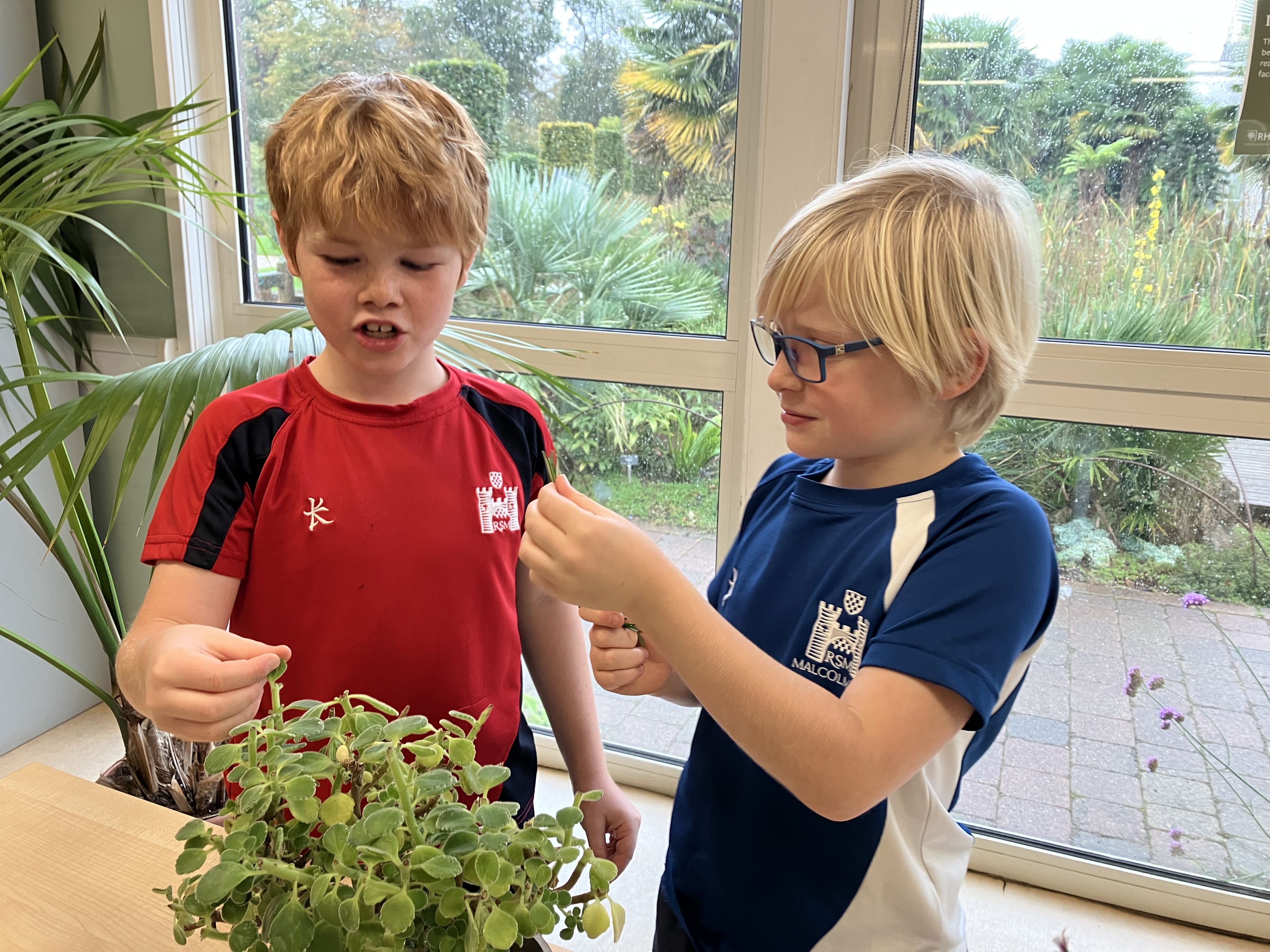
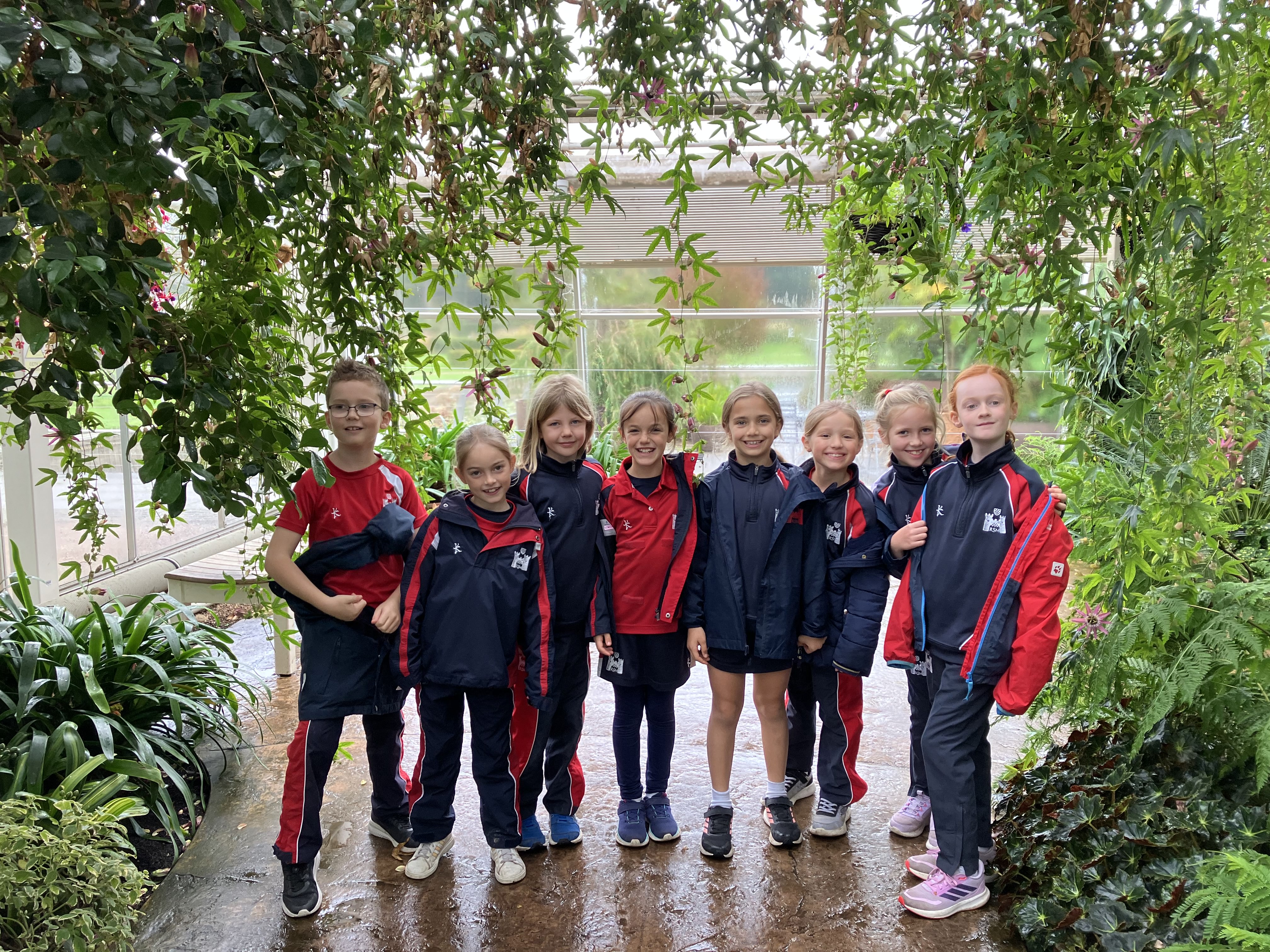
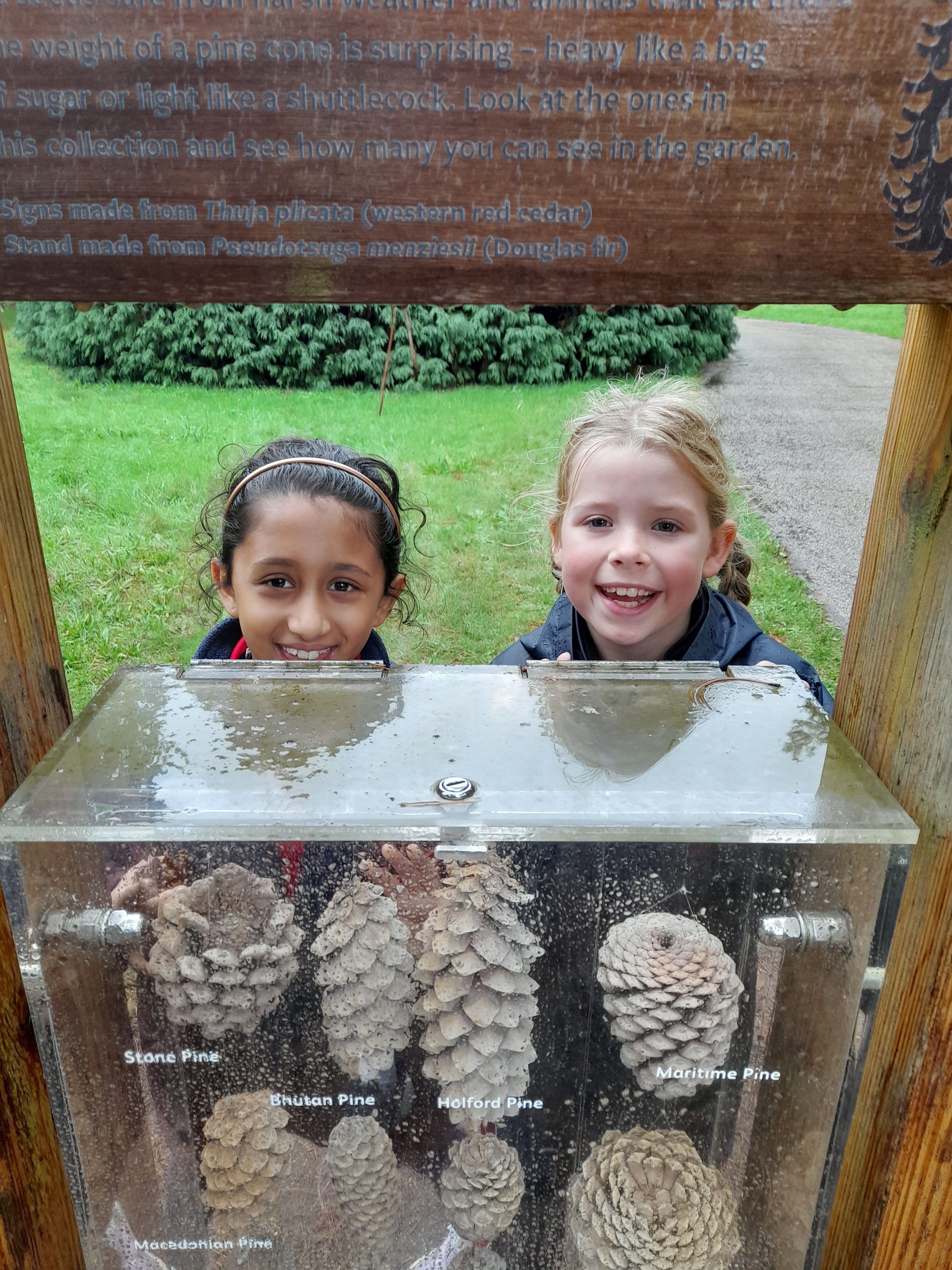 A real highlight of the half term was the visit to RHS Wisley on Friday 3 October. The year group split into two groups for a day of hands-on learning and exploration. One group began by venturing through the gardens, spotting huge koi fish gliding beneath the water, marvelling at the towering Redwood trees, and discovering a variety of heathers and bee hives. The visit to the bird hide was especially memorable - the children loved examining different bird eggs and watching for movement in the nearby trees. Meanwhile, the other group took part in a fascinating workshop led by Wisley staff, learning about seed life cycles and searching for examples of seeds, buds and fruits hidden around the gardens. Each child also had the chance to plant their own plectranthus cutting to take home, beginning a small growing project of their own. After lunch, the groups swapped activities so that everyone could experience both sessions. It was a wonderful day that brought the topic to life.
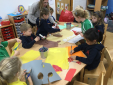
Back in the classroom, the children explored what can be learnt from a tree’s cross-section - labelling its parts and counting rings to understand its age. Inspired by Dr Seuss’s The Lorax, they also reflected on the importance of protecting forests, using comic strips to retell the story and highlight its environmental message. This led naturally into a thoughtful piece of research on deforestation, where pupils used iPads to investigate causes, effects and possible solutions to this global issue.
Throughout the topic, Year 4 have shown fantastic curiosity and care for the natural world. Their questions have been thoughtful, their observations detailed, and their enthusiasm infectious. From bark rubbings to biomes, the children have truly embraced the challenge of becoming young environmentalists, learning not just about trees, but from them too!
Well done, Year 4 — what brilliant woodland explorers you have been!

.jpg&command_2=resize&height_2=85 "Year 4 Adventure at Juniper Hall: Outdoor Learning, Teamwork and Discovery")